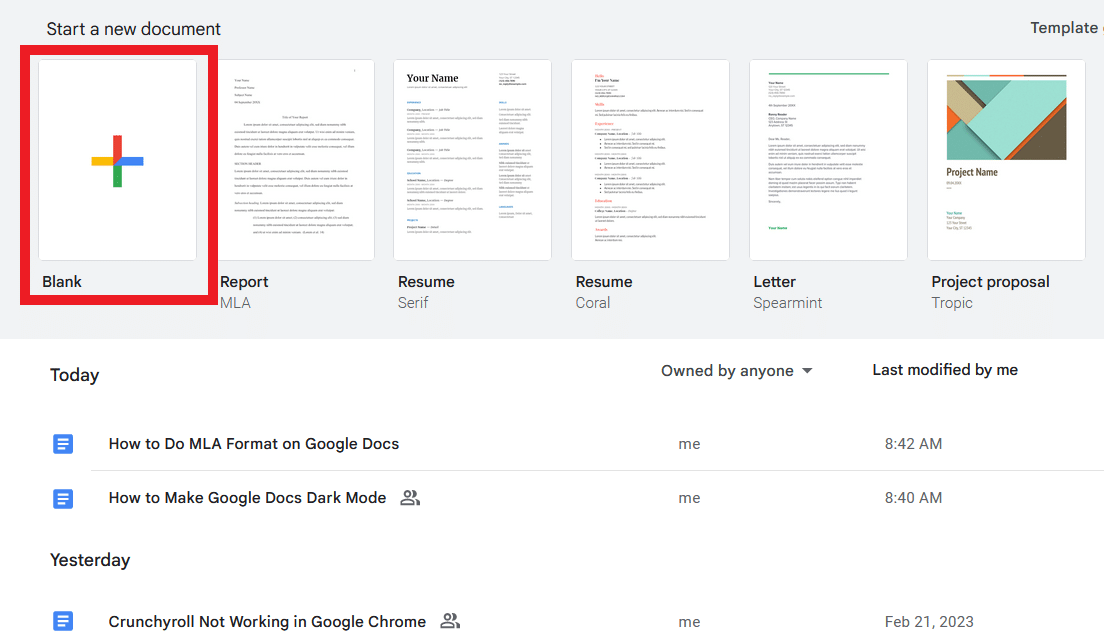
 format on Google Docs—where to find page setup in Google Docs" width="706" height="412" />
Google Docs is a widely-used online word-processing tool that offers various formatting options, including MLA. Knowing how to do MLA format on Google Docs can save you a lot of time and effort in formatting your document correctly.
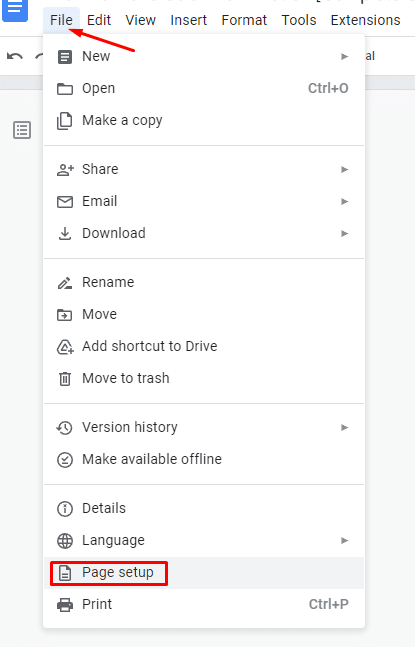
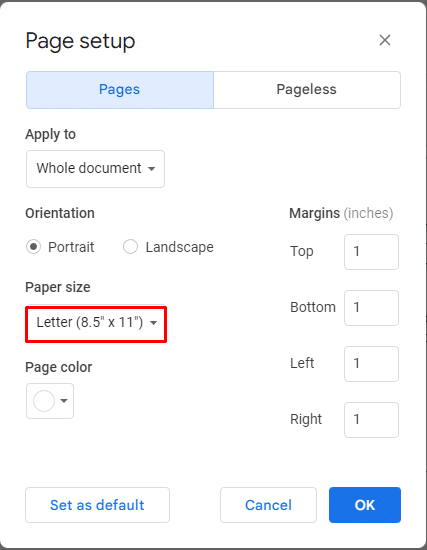
To set up MLA format on Google Docs, go to the “File” menu and select “Page setup.” Set the margins to 1 inch and the font to Times New Roman (size 12). Use the “Format” menu to set double spacing and hanging indents for your citations. Include a works cited page at the end of your document.
Whether you’re new to MLA formatting or simply need a refresher, this guide will help you get your document formatted correctly and ready to submit.
Table of Contents
MLA (Modern Language Association) is a commonly-used formatting style in academic writing, especially in humanities, literature, and social sciences papers. If you’re a student or scholar, your research papers and essays will probably require you to learn how to use MLA format on Google Docs.
MLA follows a set of rules that govern how academic papers should be formatted. Additionally, it includes guidelines on structuring the paper, citing sources, and creating a Works Cited page. These format guidelines are designed to make academic papers easy to read while maintaining a consistent structure that will be accepted by your instructor or publisher.
Before we dive into the nitty-gritty of using MLA format on Google Docs, it’s essential to understand what criteria you’ll need to meet to format your paper correctly:
Setting up an MLA format is a straightforward process. Simply follow the steps outlined below:
format on Google Docs—where to find page setup in Google Docs" width="706" height="412" />
Adjust the margins and page size to match MLA requirements. To do this:
 format on Google Docs—where to find page setup in Google Docs" width="396" height="617" />
 format on Google Docs—how to set page setup for MLA formatting" width="397" height="511" />
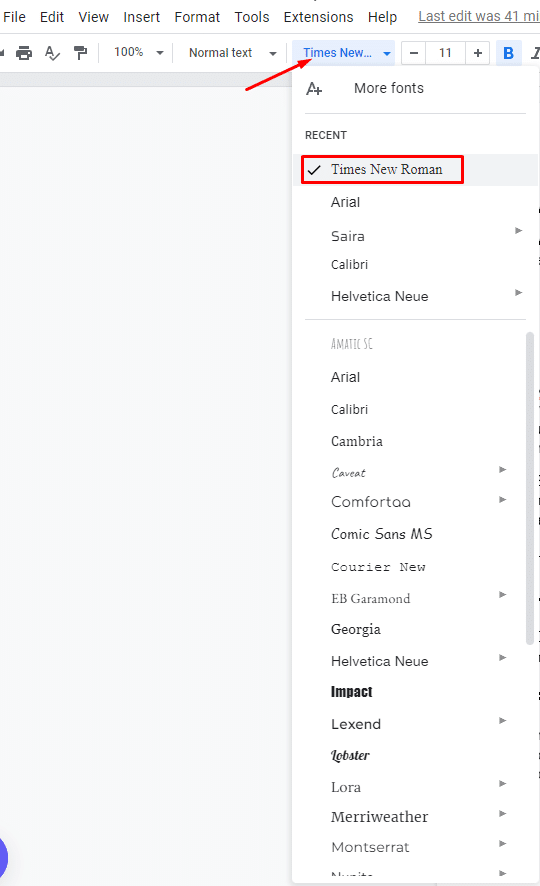
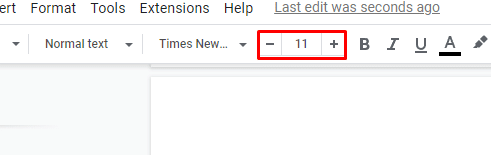
Next, set your document’s font and size. MLA guidelines recommend a legible font (e.g. Times New Roman, Arial) and a 12-point font size. To change the font and font size:
 format on Google Docs—how to change font in Google Docs" width="398" height="653" />
 format on Google Docs—where to find font size box" width="579" height="183" />
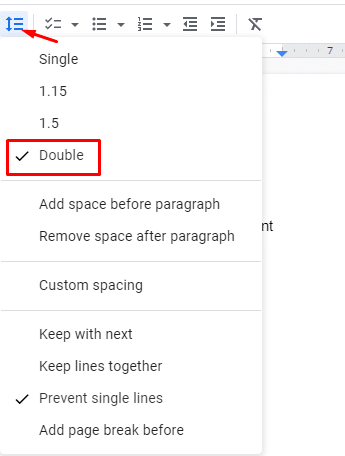
MLA format requires double-spaced text throughout the document, including the Works Cited page. To set line spacing in Google Docs:
 format on Google Docs—how to set double spacing in Google Docs" width="395" height="522" />
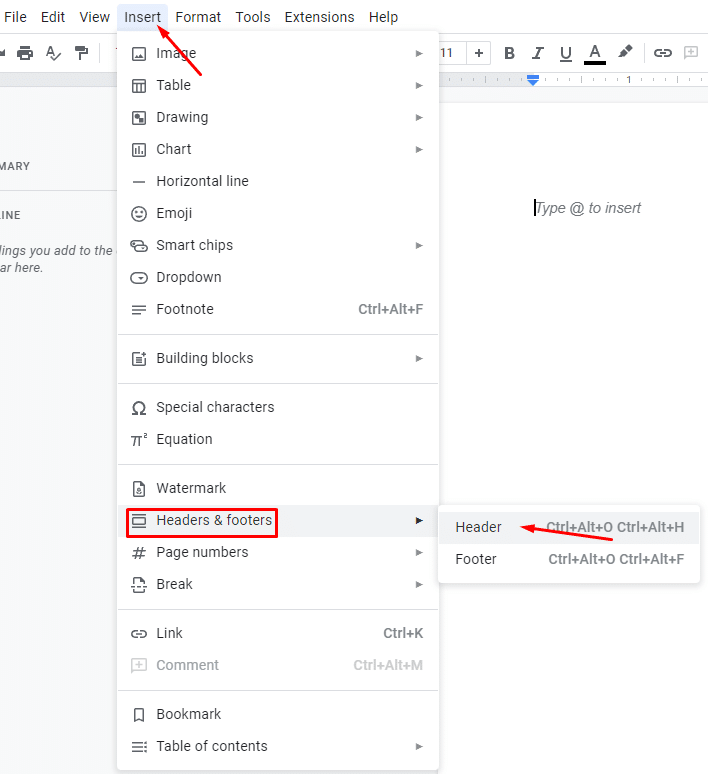
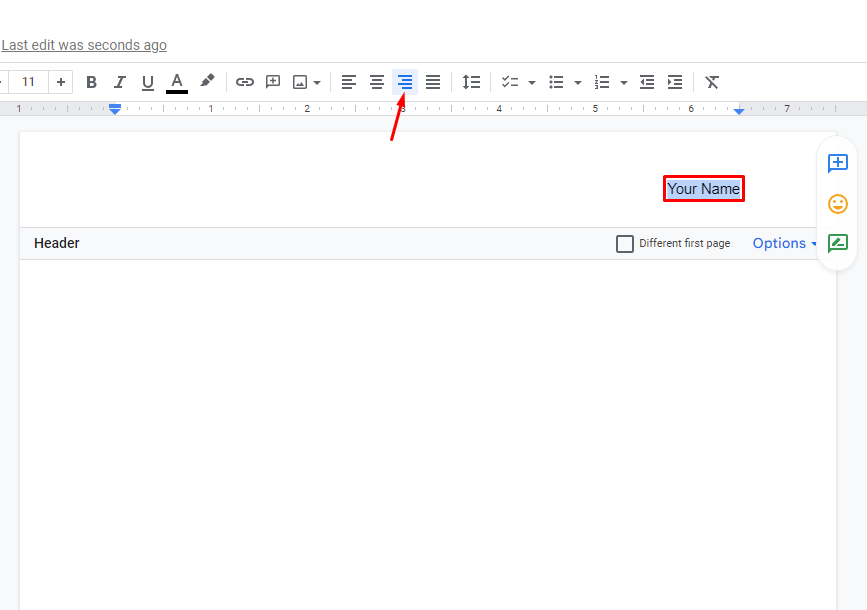
One of the critical elements of MLA formatting is a header that appears at the top of every page, including the first page. The header should include your last name and the page number, with the page number aligned with the right margin. To add a header:
 format on Google Docs—where to find headers and footers in Google Docs" width="398" height="435" />
 format on Google Docs—how to right align in Google Docs" width="610" height="429" />
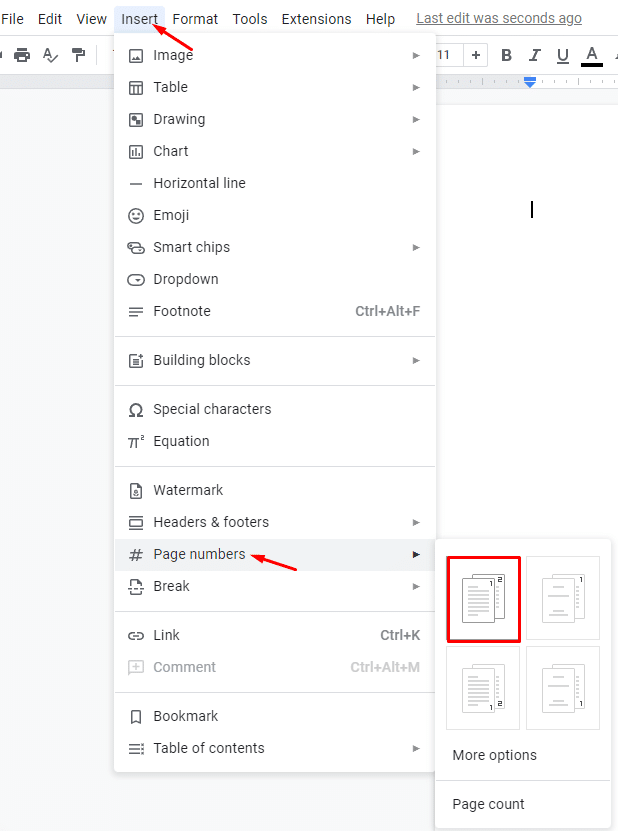 format on Google Docs—how to insert page numbers in Google Docs" width="399" height="536" />
The title of your paper should be centered and typed in the same font and font size as the rest of your document. To add a title:
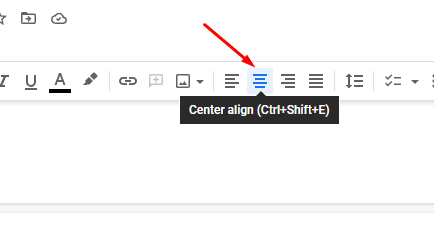 format on Google Docs—how to center text on MLA title on Google Docs" width="531" height="279" />
The title should appear like this:
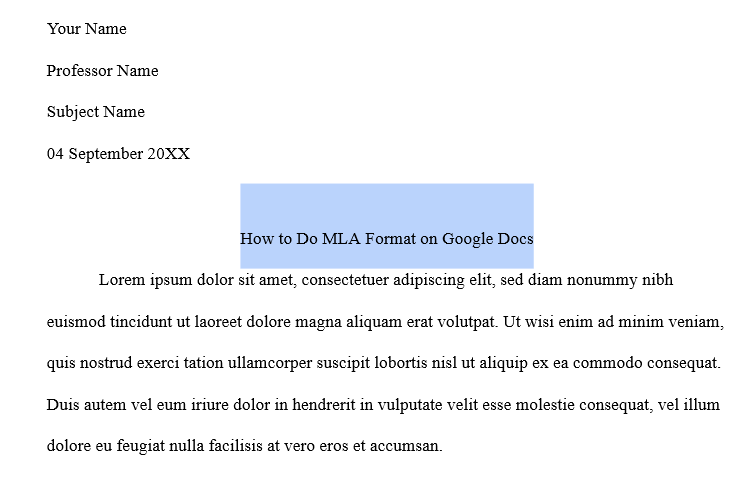 format on Google Docs—MLA format titles in Google Docs" width="593" height="382" />
In-text citations are used to credit sources in your paper’s body. MLA formatting requires including the author’s last name and the page number where the information was found (added in parentheses after the quoted or paraphrased text). To add an in-text citation:
 format on Google Docs—how to write MLA in-text citations" width="589" height="81" />
To get MLA formatting on Google Docs right, you’ll need a Works Cited page that lists all the sources cited in your paper. You must cite all sources used in your paper, including direct quotes and summarized information.
To create a Works Cited page in Google Docs, follow the steps outlined below:
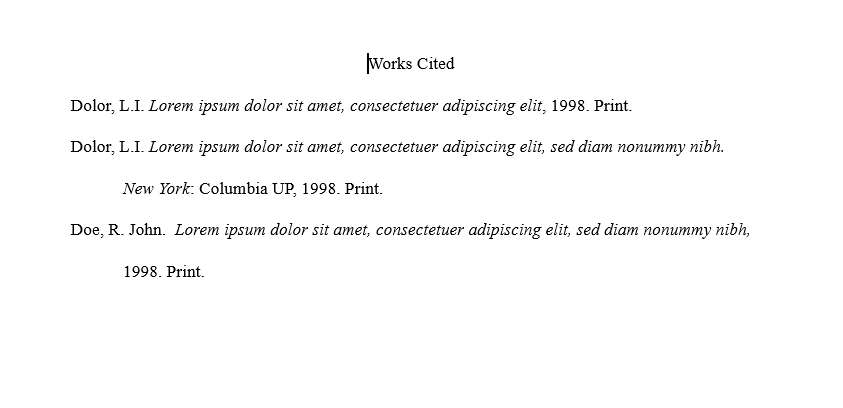 format on Google Docs—creating MLA work cited page in Google Docs" width="577" height="279" />
The formatting for each source type (e.g., book, journal article, website) may differ slightly. Consult the MLA Handbook or a reliable online source for guidance.
Note: If you’re citing a source with multiple authors, you must use “et al.” after the first author’s name.
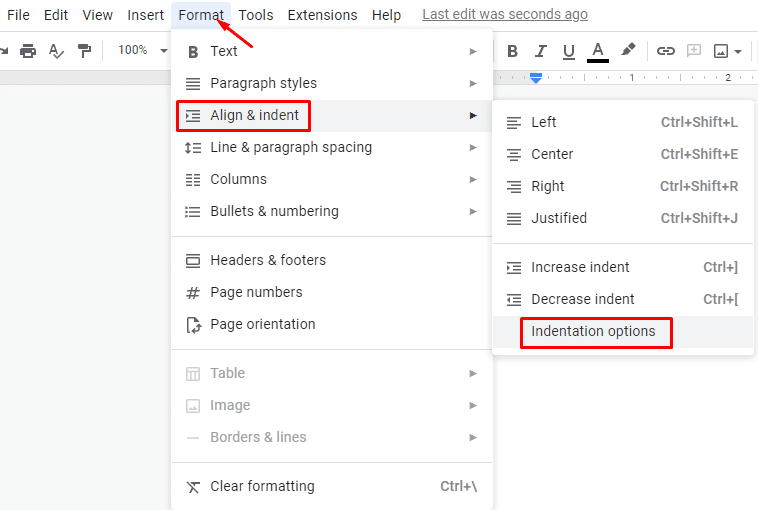
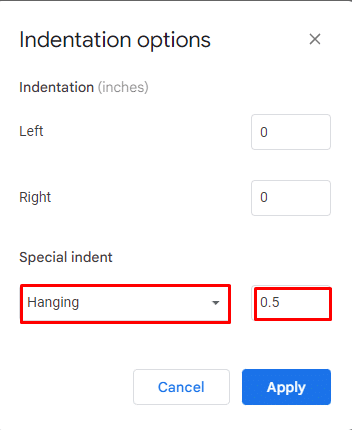
In MLA format, citations on the Works Cited page should be formatted with a hanging indent and double-spaced lines. To create a hanging indent in Google Docs, do the following:
 format on Google Docs—how to align and indent in Google Docs" width="540" height="363" />
 format on Google Docs—where to find special hanging indent in Google Docs" width="387" height="473" />
Once you’ve completed all the steps for setting up an MLA-friendly doc in Google Docs, double-check your formatting to ensure that it meets all of the required guidelines. This includes reviewing your margins, font size, line spacing, header, and Works Cited page to ensure that they follow MLA guidelines.
That’s it! You’ve successfully set up MLA format in Google Docs.
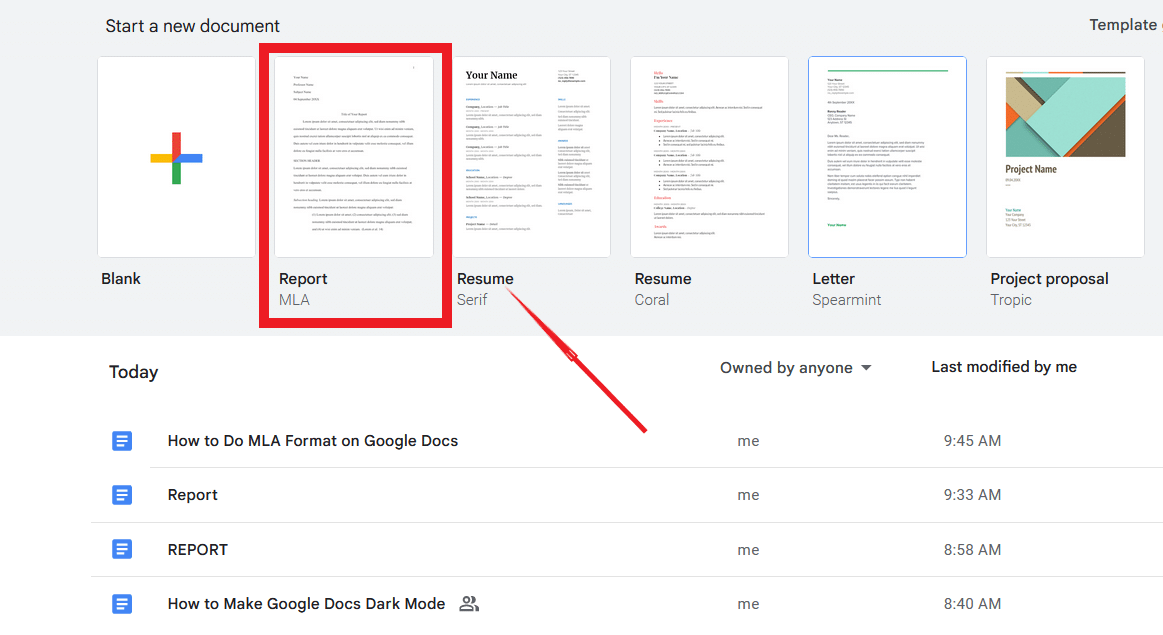
To set Google Docs to MLA format, there’s a template that’s incredibly simple to use:
 format on Google Docs—MLA Format Google Docs Template" width="648" height="354" />
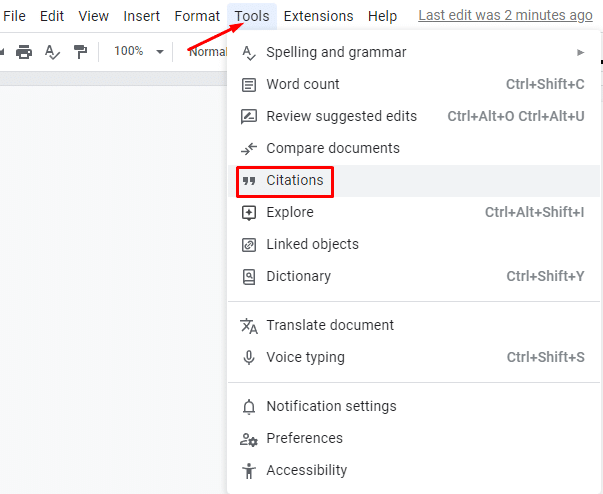
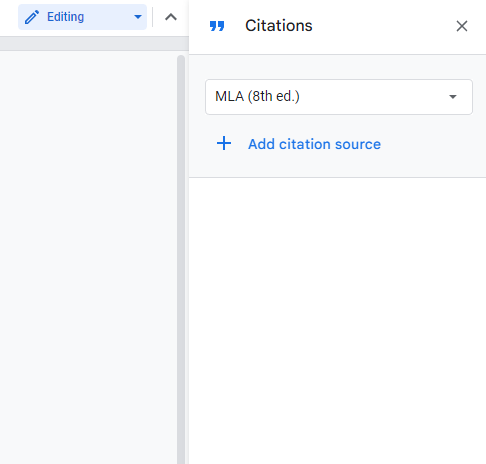
To add a citation, place your cursor where you want the citation to go. Then, do the following:
 format on Google Docs—how to do MLA citation source in Google Docs" width="535" height="438" />
 format on Google Docs—can you do MLA citations in Google Docs" width="524" height="500" />
While formatting your paper is essential, it’s also vital to ensure your content’s message is strong. Here are some tips for writing an essay that will stand out:
MLA format doesn’t require a cover page, but if your instructor does, here’s how to create a cover page on Google Docs:
The newest MLA format is the 9th edition, released in 2021. The ninth edition includes added chapters on inclusive language and formatting an MLA-style paper.
One of the main changes in the ninth edition is the formatting of tables. Tables are now labeled and numbered, with the label and title placed in bold above the table on separate lines. A caption providing information about the source is placed below the table.
Aside from these basic steps, there are other formatting considerations when working with MLA format.
For example, if you’re using quotes that are longer than four lines, they should have a hanging indent and be separated from the rest of the text.
After reading this guide, you should confidently know how to do MLA format on Google Docs. Remember: Writing is a process, and it takes time and practice to master the skills needed to write high-quality papers. With a little patience and perseverance, you’ll be able to produce well-formatted, well-researched papers that meet the highest academic standards.
Related:
